咨询热线:8801886128652
 中文
中文 English
Introduction to the Second Affiliated Hospital of Kunming Medical University
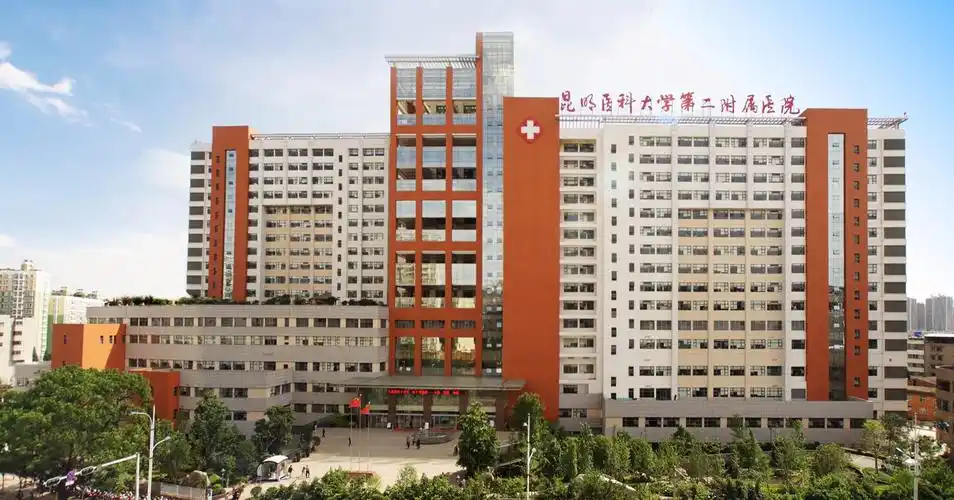
The Second Affiliated Hospital of Kunming Medical University (hereinafter referred to as "Kunming Medical University Second Affiliated Hospital") was established in October 1952, originally named "Kunming Workers 'Hospital." In 1962, it was renamed the Second Affiliated Hospital of Kunming Medical College. In 2000, it became the Second Clinical Medical College of Kunming Medical College. In 2009 and 2015, it was additionally designated as Yunnan Provincial Urology Specialist Hospital and Yunnan Provincial Hepatobiliary and Pancreatic Surgery Hospital, respectively. In 2012, it was renamed Kunming Medical University Second Affiliated Hospital. In 2021, it acquired Yunguang Hospital of Yunguang Development Co., Ltd., and its name was changed to Kunming Medical University Second Affiliated Hospital Haikou Hospital, forming a "one hospital, two campuses" development model and further expanding its operational space. Since its establishment, the hospital has adhered to the motto "Virtue and Perfection," advocated a sense of community and the values of "caring for life, connecting with patients, integrity and friendship, and harmonious development," and consistently prioritized "people's health as the core." It has made significant contributions to safeguarding public health, promoting socio-economic development in Yunnan, and maintaining border stability and harmony.
Alongside the progress of the People's Republic of China, the hospital has traversed a 73-year journey and has now developed into a large tertiary Grade A hospital integrating medical services, teaching, scientific research, prevention, healthcare, emergency response to public health incidents, and medical treatment. It boasts comprehensive departments, abundant talent, robust technical capabilities, and prominent disciplinary advantages. The hospital was among the first to be designated as a "Tertiary Grade A Hospital" by the Ministry of Health, recognized as one of the "Top 100 Hospitals in China," and accredited as an International Emergency Rescue Center (SOS) network hospital. It was also among the first in Yunnan Province to be designated as an elderly-friendly medical institution. Approved by the Ministry of Human Resources and Social Security and the National Postdoctoral Management Committee, it serves as a postdoctoral research workstation. The hospital was awarded the title of "Advanced Stroke Center" in Yunnan Province by the National Stroke Prevention and Treatment Committee and is the chair unit of the Yunnan Stroke Society (a first-tier society). Additionally, it functions as a national provincial-level major epidemic treatment base, a Yunnan Chemical Poisoning Treatment Base, a Yunnan Nuclear Radiation Emergency Medical Rescue Base (Emergency Medical Rescue Center), a Yunnan Clinical Medical Center for Urinary System Diseases, a Yunnan Clinical Medical Center for Hepatobiliary and Pancreatic Diseases, a Yunnan Critical Care Medicine Clinical Medical Center, and a construction base for Yunnan Rehabilitation Clinical Medicine Centers. The hospital also serves as the Yunnan Clinical Quality Control Center for Hyperbaric Oxygen Therapy, the Yunnan Critical Care Medicine Quality Control Center, the Yunnan General Surgery Medicine Quality Control Center, the Yunnan Neurological Disease Medicine Quality Control Center, the Yunnan Plastic and Aesthetic Medicine Quality Control Center, the Yunnan Urology Medicine Quality Control Center, and the Yunnan Rehabilitation Medicine Quality Control Center.
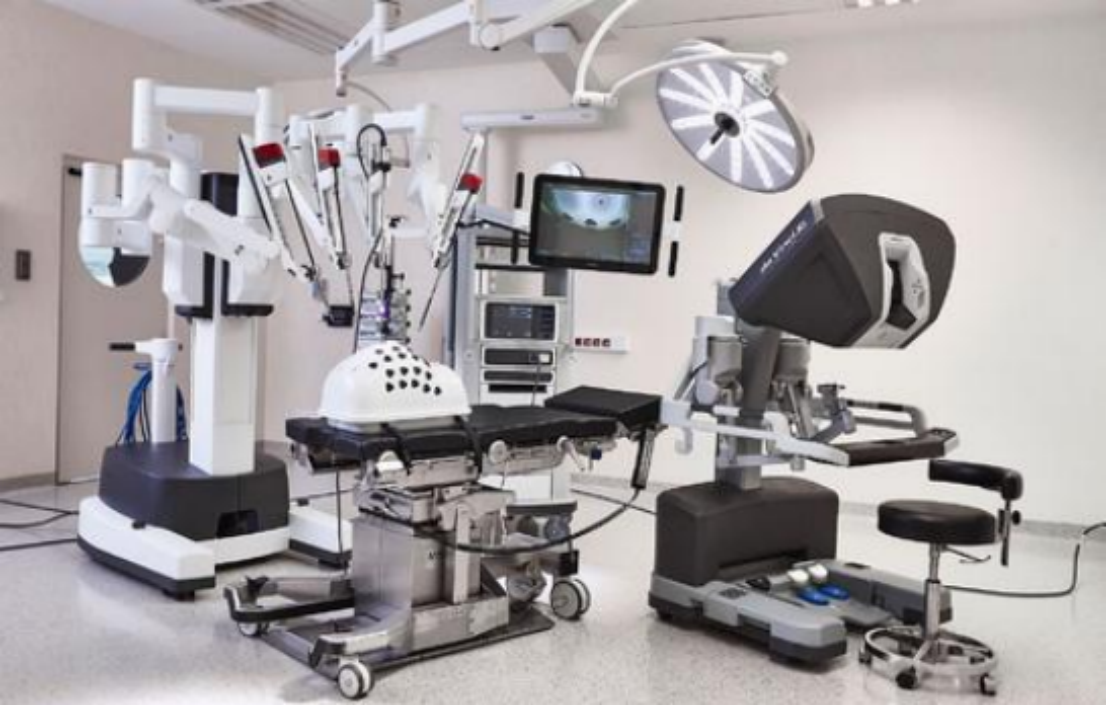
Through the persistent efforts of generations of staff at the Second Affiliated Hospital, the institution has now established comprehensive departments with prominent disciplinary advantages. Disciplines such as hepatobiliary and pancreatic surgery, urology, rehabilitation medicine, burn care, critical care medicine, orthopedics, minimally invasive surgery, nursing, gastroenterology, hematology, and neurology have achieved leading positions domestically and provincially, demonstrating significant strengths. Since 1999, the hospital has pioneered transplantation procedures including human allogeneic orthotopic liver transplantation, partial donor liver transplantation, combined liver-kidney transplantation, and heart transplantation in Yunnan Province, laying the foundation for large-scale organ transplantation and cultivating specialized talent. The hospital currently operates 2,208 open beds across 70 clinical wards and medical technology departments, with 7 national key clinical specialties (critical care medicine, urology, neurology, hepatobiliary and pancreatic surgery, neurosurgery, plastic surgery, and medical imaging), 29 provincial-level key clinical specialty construction projects, national clinical trial institutions for drugs (15 specialties), national clinical trial institutions for medical devices (38 specialties), Yunnan Continuing Medical Education Base (18 specialties), General Practitioner Clinical Training Base, and Yunnan General Surgery Base. It was among the first in the province to pass evaluations for establishing Advanced Stroke Centers, Chest Pain Centers, Trauma Centers, Critical Maternal Care Centers, and Critical Neonatal Care Centers. Currently, the hospital is equipped with the first fourth-generation Xi Da Vinci surgical robot and the first fluorescence laparoscope in Yunnan Province. Leveraging the technological advantages of high-end advanced medical equipment, it further enhances the leading role of its specialized disciplines, diligently explores and advances in the field of intelligent healthcare, continuously improves diagnostic and therapeutic standards, and continues to take proactive measures in enhancing patient experience and elevating medical service quality, thereby better safeguarding public health.
Through the persistent efforts of generations of staff at the Second Affiliated Hospital, the institution has achieved a symbiotic relationship between teaching and learning, with a robust faculty. The hospital serves as a national standardized residency training base, a national standardized specialist physician training base, a national standardized clinical pharmacist training base, and a continuing medical education base in Yunnan Province. Currently, the hospital employs 71 doctoral supervisors and 335 master's supervisors, offering one doctoral degree program in clinical medicine, one professional doctoral degree program in clinical medicine, one master's degree program in clinical medicine, one professional master's degree program in clinical medicine, and one professional master's degree program in applied psychology. It offers three undergraduate programs: clinical medicine, medical laboratory technology (including a Sino-French joint training program), and geriatrics and health, along with 22 teaching and research departments. The hospital boasts one national-level first-class program, one provincial-level first-class program, one provincial-level first-class discipline, and three provincial-level first-class courses. It undertakes clinical teaching, internships, and management for undergraduates, postgraduates, and international students from Kunming Medical University. A comprehensive clinical teaching and standardized training system has been established, including 24 national standardized residency training bases (one national key base and four provincial key bases) and three national standardized specialist physician training bases. The hospital houses a clinical skills training center covering approximately 2,000 square meters, equipped with 30 skill rooms and nearly 500 advanced domestic and international teaching models and devices, enabling minimally invasive surgical robot training. These resources have cultivated a large number of outstanding medical professionals for Yunnan Province's socioeconomic development, higher medical education, and healthcare advancement.
Through continuous exploration, the hospital has cultivated a robust scientific research environment with remarkable achievements. It currently houses 7 provincial-level scientific innovation teams, 5 university-level scientific innovation teams in Yunnan Province, 2 university-level engineering research centers in Yunnan Province, 1 Key Laboratory of Urological Tumors in Yunnan Province, 1 Engineering Research Center for Diagnosis and Treatment of Neuropathic Pain in Yunnan Province, 1 Key Laboratory of Neuropsychiatric Disorders in Yunnan Province, and 1 Key Laboratory of Plateau Hot Spring Medical Health Care in Yunnan Province. The hospital has secured 7 major scientific and technological projects in Yunnan Province, established 2 international joint R&D centers for South Asia and Southeast Asia, maintained 35 academicians/expert workstations, operated 1 postdoctoral research workstation, and developed 4 Clinical Medical Centers in Yunnan Province, including 1 Clinical Medical Research Center (Urological Diseases). Additionally, it has implemented 4 major scientific achievement cultivation projects under Kunming Medical University. The hospital has been awarded 1 Special Prize for Scientific and Technological Progress in Yunnan Province and has consecutively won 8 first prizes in provincial-level scientific and technological progress awards. The hospital maintains 4 internal research institutes: Hepatobiliary and Pancreatic Surgery, Urology, Burn Medicine, and Cerebrovascular Diseases, as well as 14 internal research centers covering Molecular Diagnostics, Rehabilitation Medicine, Sleep and Respiratory Disorders, Liver Diseases, Osteoporosis, Neurotrauma, Scoliosis and Spinal Deformities, Trauma Surgery, Gynecological Cervical and Vaginal Diseases, Pediatric Respiratory Disease Prevention and Treatment, Autoimmune Skin Diseases, Clinical Nursing, Critical Care Medicine, and Surgical Clinical Nutrition. Over the past five years, the hospital has secured 60 National Natural Science Foundation projects and 227 provincial-level scientific and technological program projects.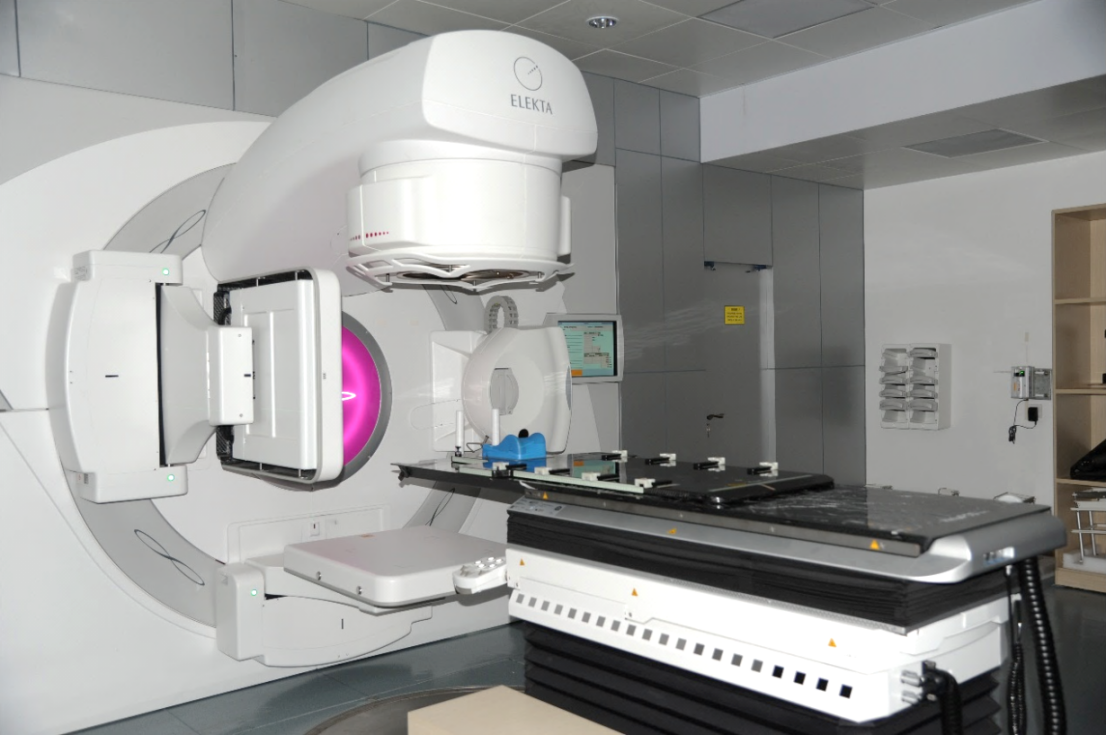
The hospital central laboratory covers an area of over 2,000 square meters and is equipped with advanced instruments such as flow cytometers and laser confocal scanning microscopes. It includes functional areas such as a biobank, cell culture rooms, and SPF-grade animal housing, enabling a range of molecular biology experiments including animal experiments, cell culture, immunohistochemistry, Western blotting, gene cloning, and transfection. The laboratory boasts a team of experimental technical advisors primarily composed of PhD and master's degree holders, providing an excellent research platform for medical staff across the hospital.
Through years of continuous development, the hospital has established a profound academic foundation and attracted a distinguished group of renowned physicians. Currently, the institution employs over 3,600 staff members, including 1,145 master's and doctoral degree holders, and 697 professionals with associate senior titles or higher. Among its achievements: three directors have been honored as National Outstanding Hospital Presidents; one recipient of the National May 1st Labor Medal; one recipient of the National Advanced Individual in Education System; two recipients of the National Advanced Individual in Health System; one recipient of the National High-end Accounting Talent Award; two recipients of Yunnan Provincial Advanced Workers; and one collective awarded the National March 8th Red Flag Collective for COVID-19 Response. The hospital also recognizes 1 recipient of the inaugural "Xingdian Talent Award," 2 national-level "Hundred-Thousand-Ten Thousand Talents," 22 individuals receiving special government allowances from the State Council, and 114 talents selected through provincial programs including the Provincial Outstanding Talent Program, Provincial Subsidy Program, Yunnan High-Level Talent Training Support Program, and Yunnan High-Level Talent Introduction Program. Additionally, 135 individuals have been recognized as Yunnan Provincial Medical Leading Talents, Medical Discipline Leaders, or Young and Middle-aged Academic and Technical Leaders.
In recent years, hospitals have continuously strengthened external exchanges and cooperation, establishing extensive connections with medical and educational institutions in over twenty countries and regions including South Asia, Southeast Asia, the Middle East, Europe, America, and Australia. They have engaged in multi-level and multi-dimensional medical research, talent cultivation, and academic exchanges and collaborations. Hospitals have repeatedly dispatched medical teams to assist Uganda, implemented cataract vision restoration projects in Myanmar, established the "Golden Bridge" International Urology Alliance, successfully hosted twelve "Golden Bridge" International Urology Conferences, two "Golden Bridge" China-Myanmar Urology Conferences, three China-South Asia Southeast Asia Neurosurgery Kunming Forums, and international academic conferences and foreign aid training programs for ASEAN countries, completing various foreign aid medical missions with excellence. Hospitals have also collaborated with overseas non-governmental organizations (Singapore International Foundation, Norwegian Aid Society Yunnan Office) on projects such as improving medical services for aging populations in China's Yunnan Province and community rehabilitation construction projects in Yunnan, cultivating a large number of rehabilitation professionals for Yunnan Province, and further enhancing the rehabilitation service capabilities of medical institutions and communities in Yunnan.
Through intergenerational inheritance, the fine traditions established since the founding of the hospital have been well preserved and accumulated, forging a value system and culture at the Second Affiliated Hospital of Kunming Medical University that is imbued with humanistic care. All staff members of the Second Affiliated Hospital will uphold the hospital motto of "Virtue and Perfection," advocate a sense of home and the values of "caring for life, connecting with patients, integrity and friendship, and harmonious development," and consistently adhere to the mission of "putting patients first, improving the quality of medical care, teaching, and research as the foundation, and advancing alongside people's health." With noble medical ethics, superb medical skills, and a strong sense of social responsibility, they will shoulder the trust of life, actively serve and integrate into the national "Belt and Road" initiative, build a service environment that supports elderly care, filial piety, and respect for the elderly, better meet the healthcare needs of the elderly, and strive continuously to promote the high-quality development of the hospital, advance Kunming Medical University's "Double First-Class" construction, contribute to the socio-economic development, higher medical education, and healthcare progress of Yunnan Province, and work tirelessly for the construction of Healthy Yunnan and Healthy China.